
Three days in the Swiss forests
Mitte März fand ich ein verlängertes Wochenende, an dem ich einmal wieder ganz abschalten und in die Schweizer Wälder eintauchen konnte. Um richtig aus meinem Umfeld zu kommen, nahm ich eine sechsstündige Zugfahrt in den Jura in Kauf. Mit „Mätteli“, Schlafsack und Fotoausrüstung zog ich los und verbrachte drei Nächte mal unter Sternenhimmel in Begleitung eines rufenden Raufusskauzes und mal im Geplätscher des Regenfalls. Nebst einigen wunderschönen Stimmungen, entdeckte ich auch das eine oder andere Wildtier. Als absolutes Highlight konnte ich einen Auerhahn beobachten und fotografieren, doch auch Beobachtungen der Waldgämsen und eines flinken Hermelins waren tolle Erlebnisse.
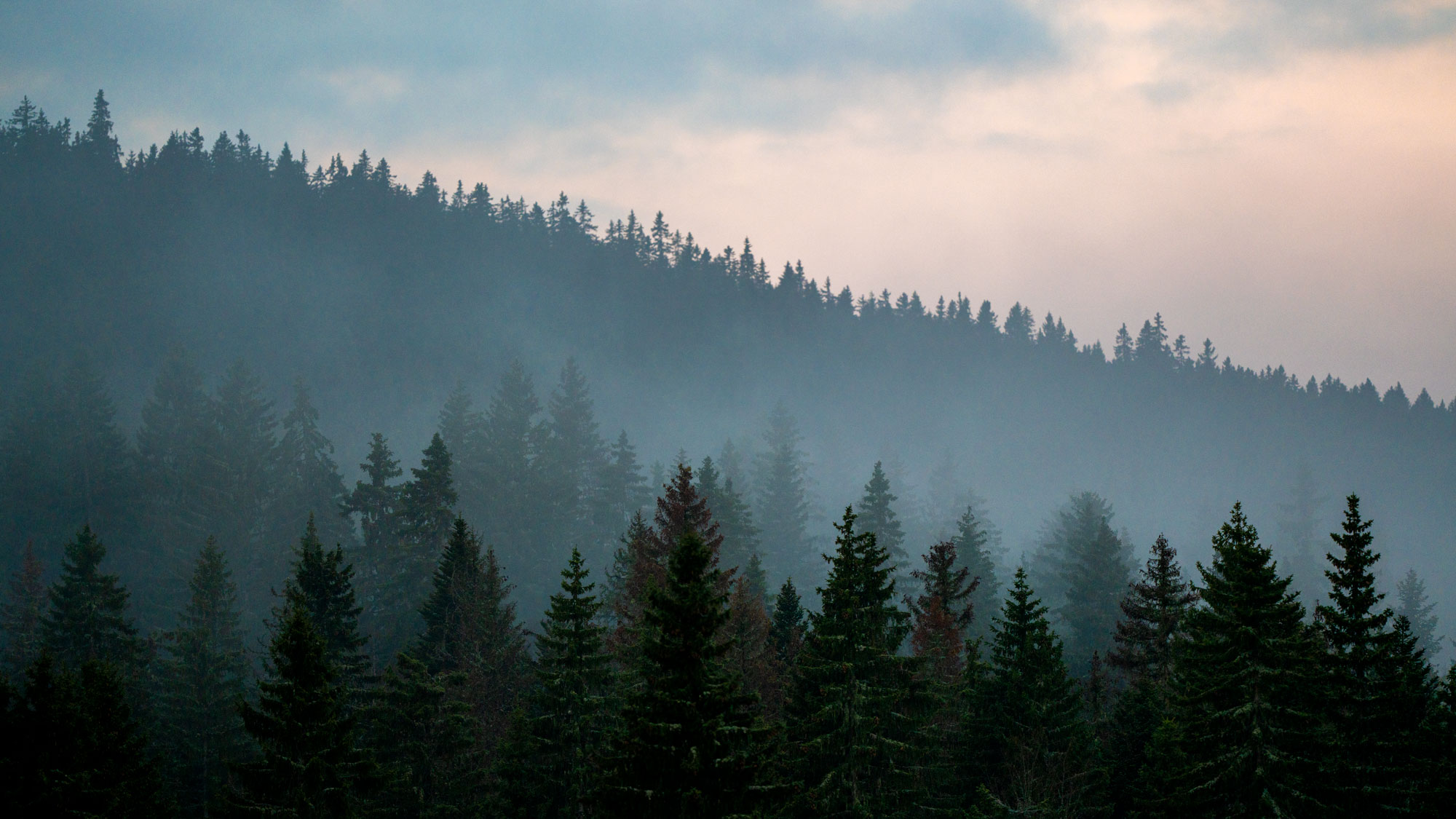

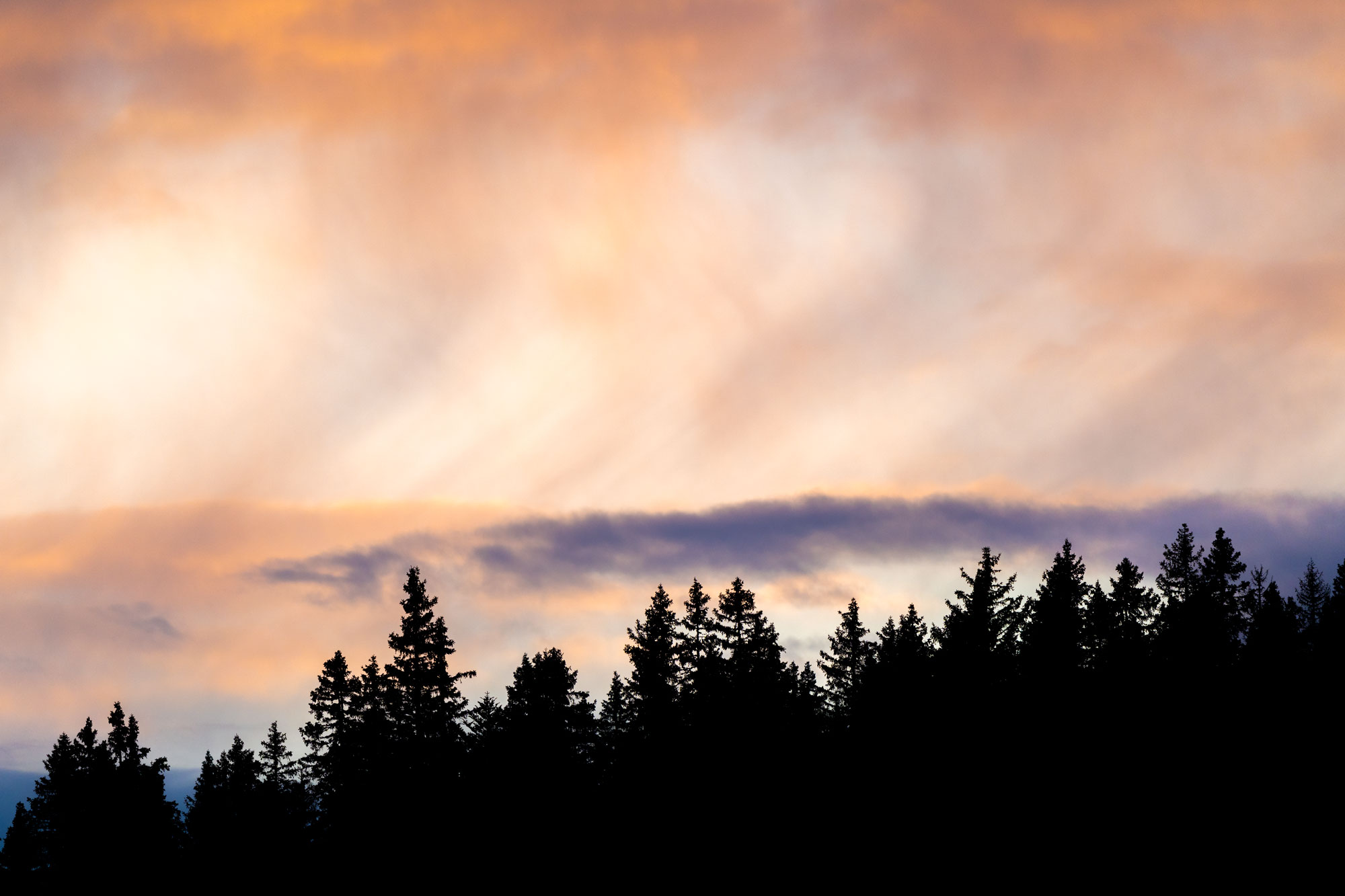


The varied weather, consisting of rain and sunshine, repeatedly created beautiful lighting situations. For example, when the last rays of sunshine once again penetrated under the clouds, or when the raindrops that had just fallen sparkled in the sudden sunshine.
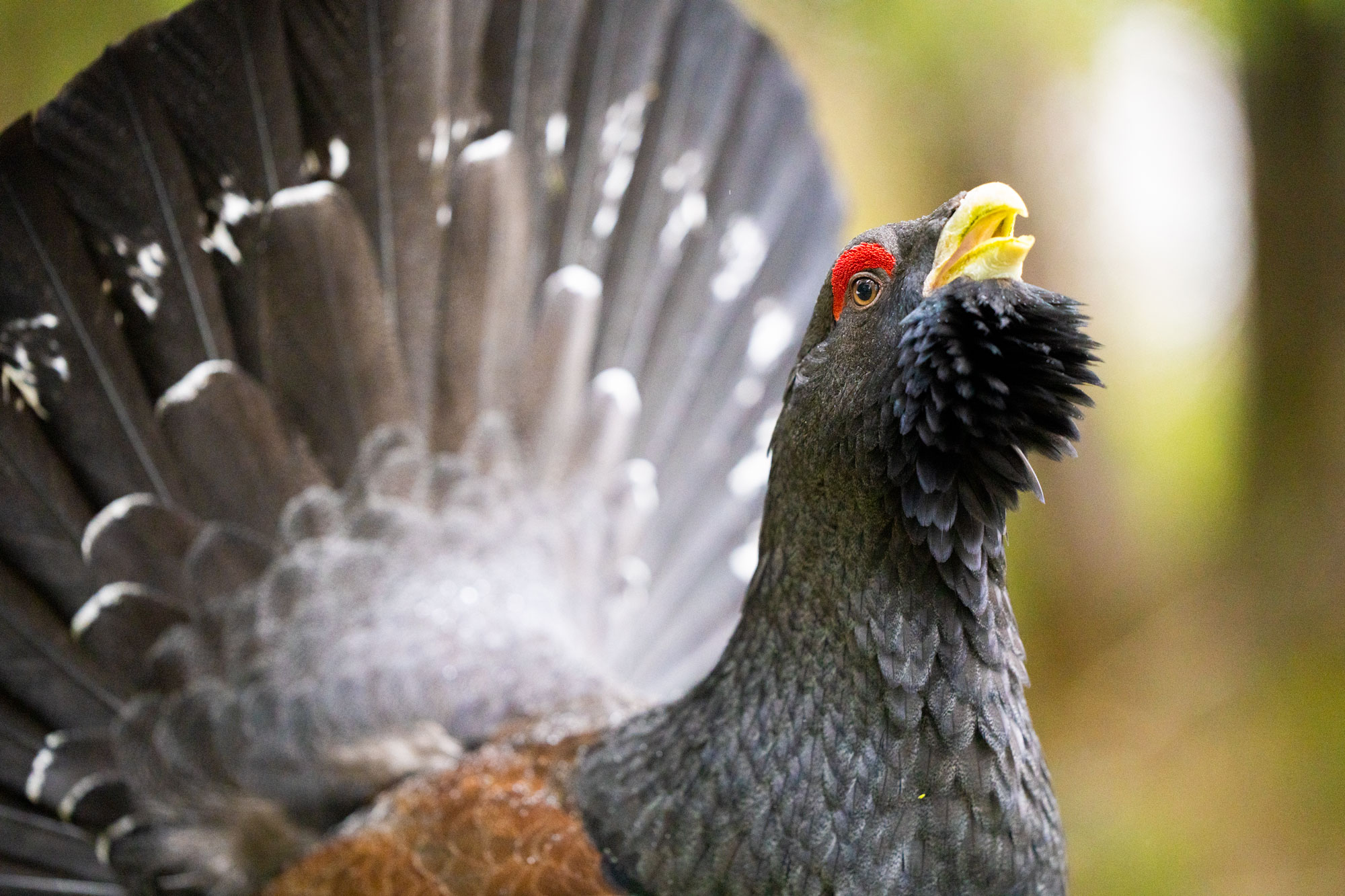
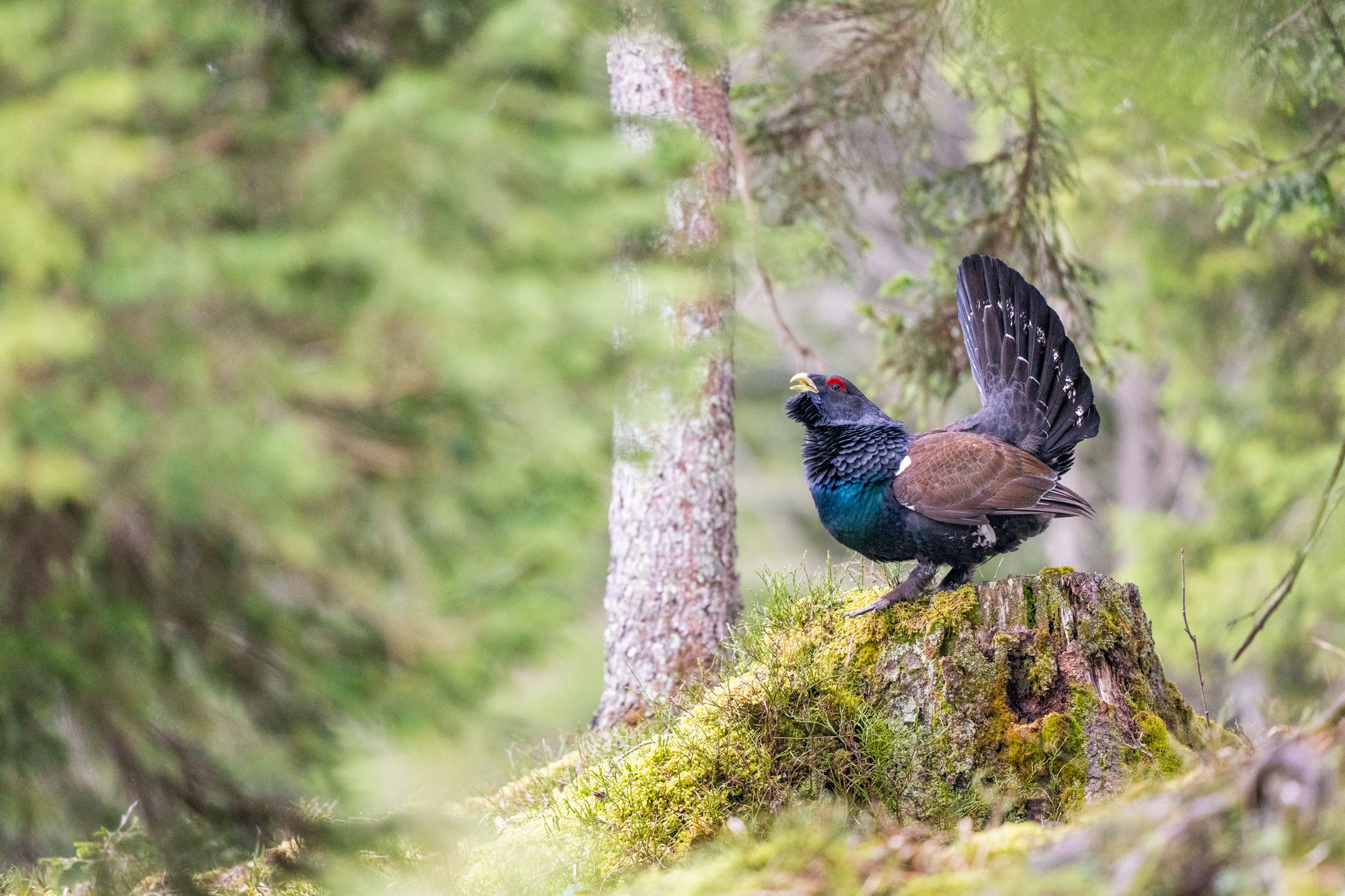
Capercaillie (Tetrao urogallus)
As a highlight, I was able to photograph this capercaillie. The impressive capercaillies live secretly and hidden in sparse forests. Their high demands for pristine forests with open clearings, lots of dead wood and little disturbance are their undoing. Because these forests are becoming rarer, there are only around 400 capercaillies left in the most remote Swiss forests. Complex habitat improvement projects and strict wildlife rest areas are attempts to stabilise the capercaillie population.



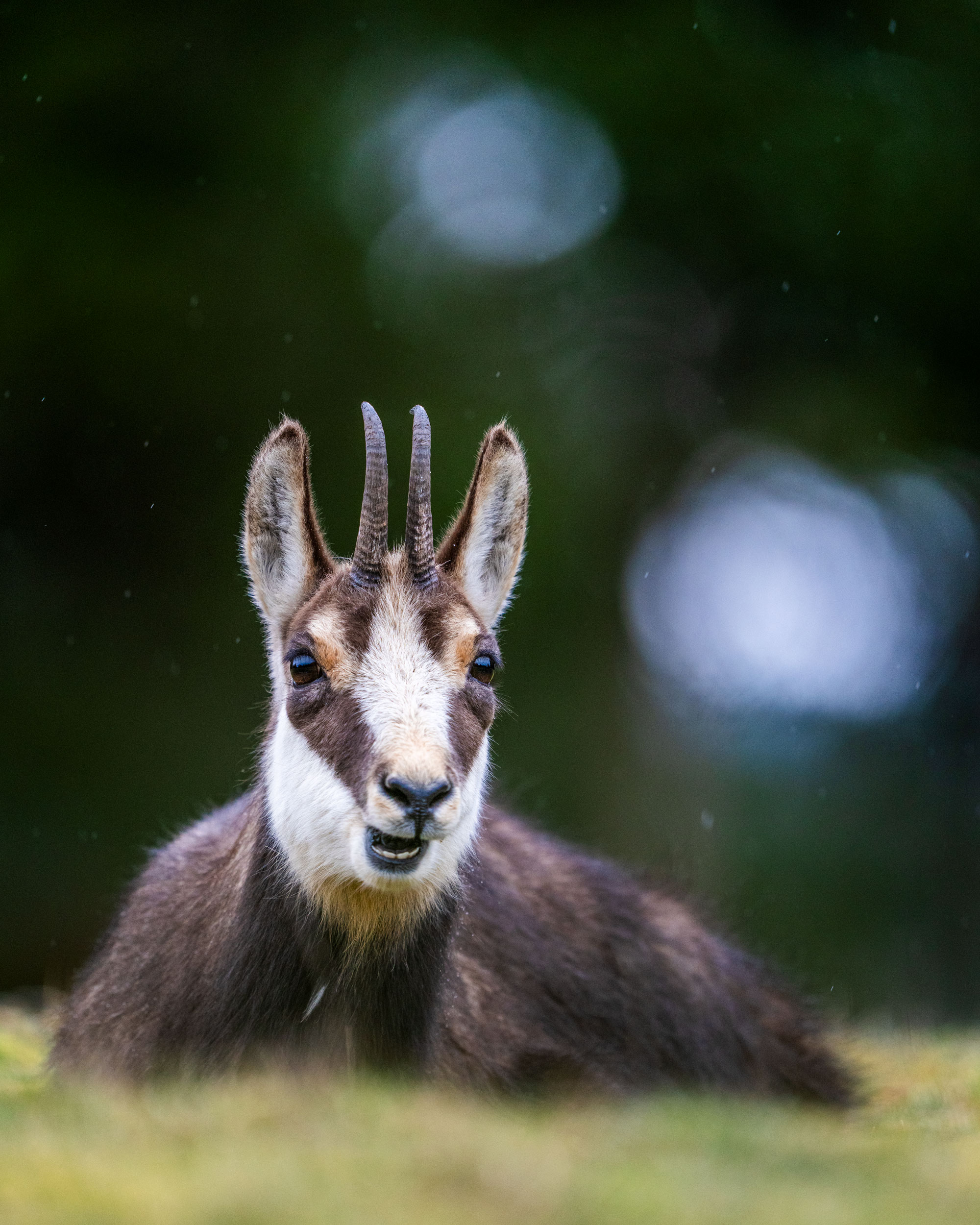
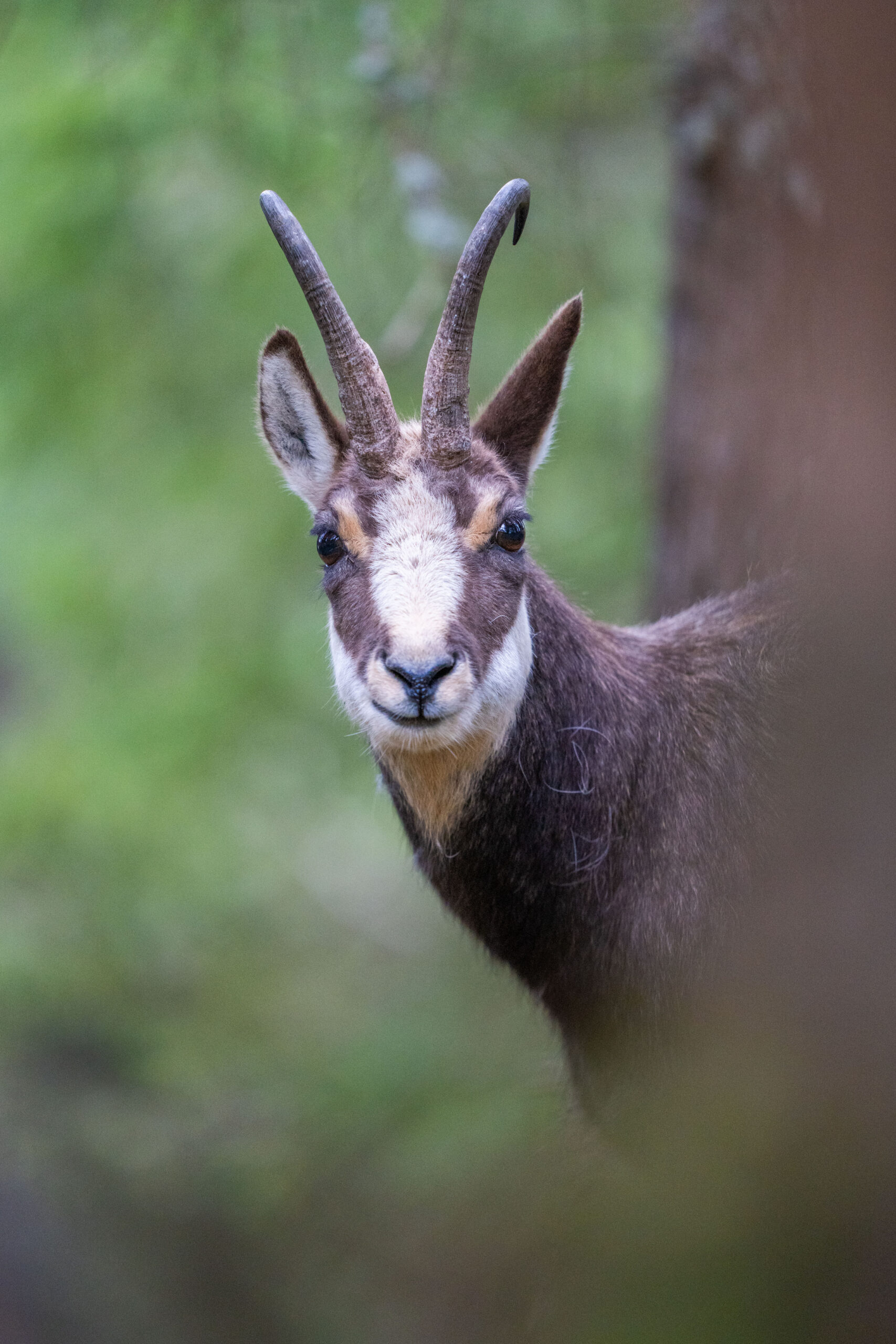
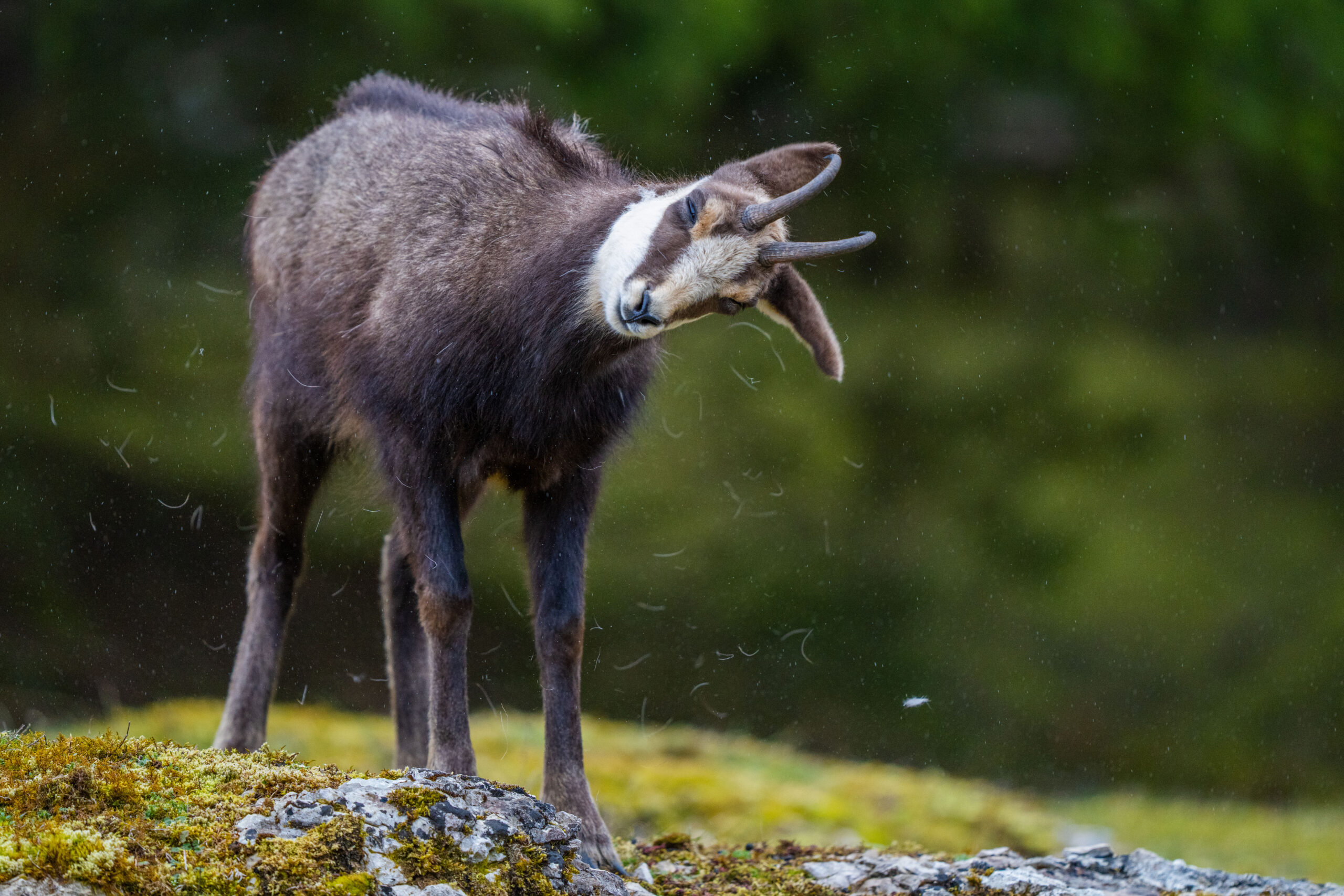
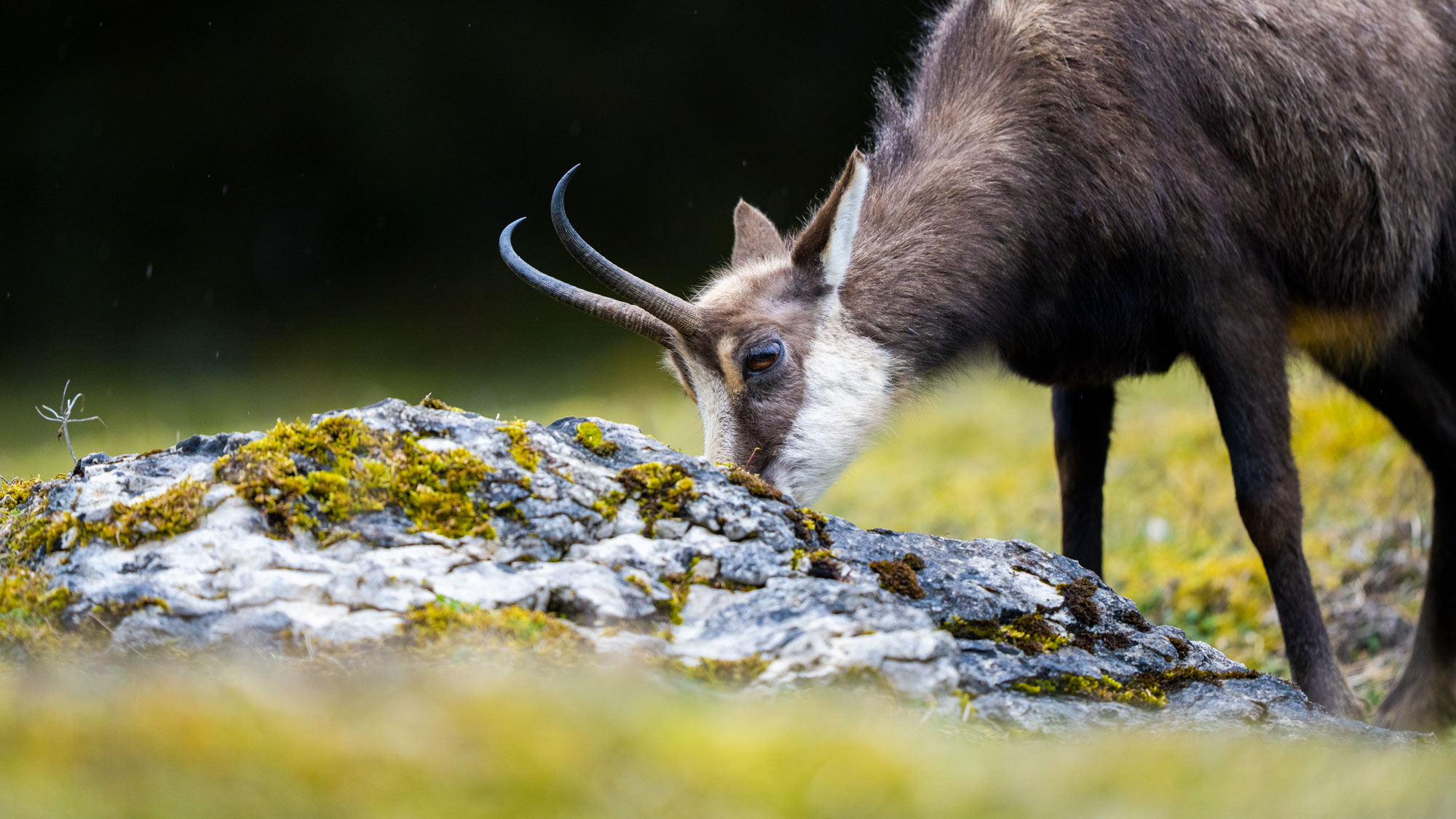
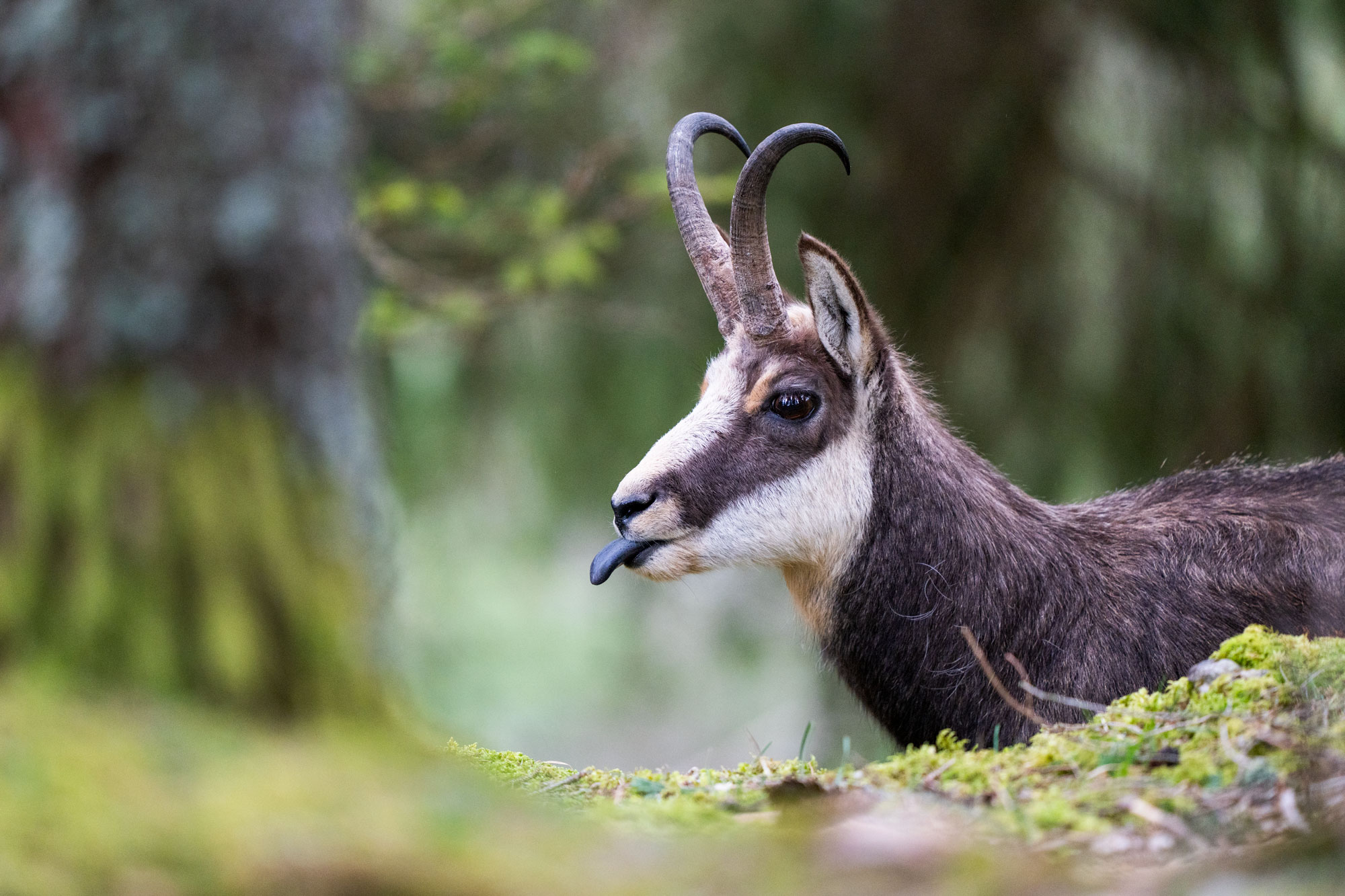
Chamois (Rupicapra rupicapra)
Am zweiten Tag konnte ich eine Gruppe Waldgämsen entdecken. Die Gruppe lies mich erstaunlich nah ran und ich konnte für einige Stunden Seite an Seite mit ihnen verweilen. Gämsen haben sich in unseren Köpfen als hochalpine Gebirgsspezialisten eigebrannt. Doch in den letzten Jahrzehnten tauchten immer häufiger die sogenannten „Waldgämsen“ auf, welche gelernt haben, den Wald als Lebensraum zu nutzen. Gründe für diese Lebensraumverschiebung sind wohl die Störungen durch Tourismus oberhalb der Waldgrenze, sowie die über lange Zeit fehlenden Grossraubtiere in den Schweizer Wäldern.




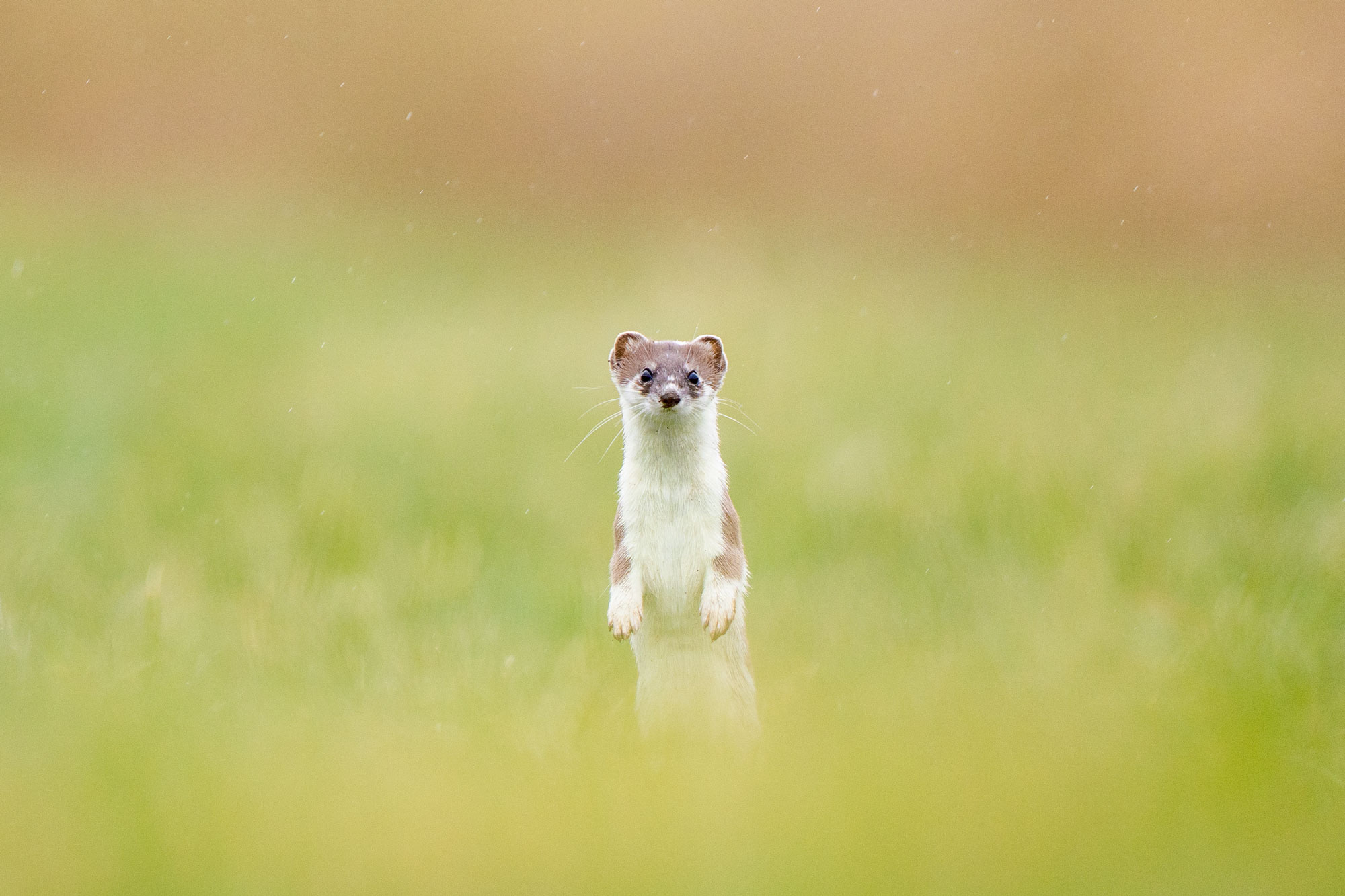
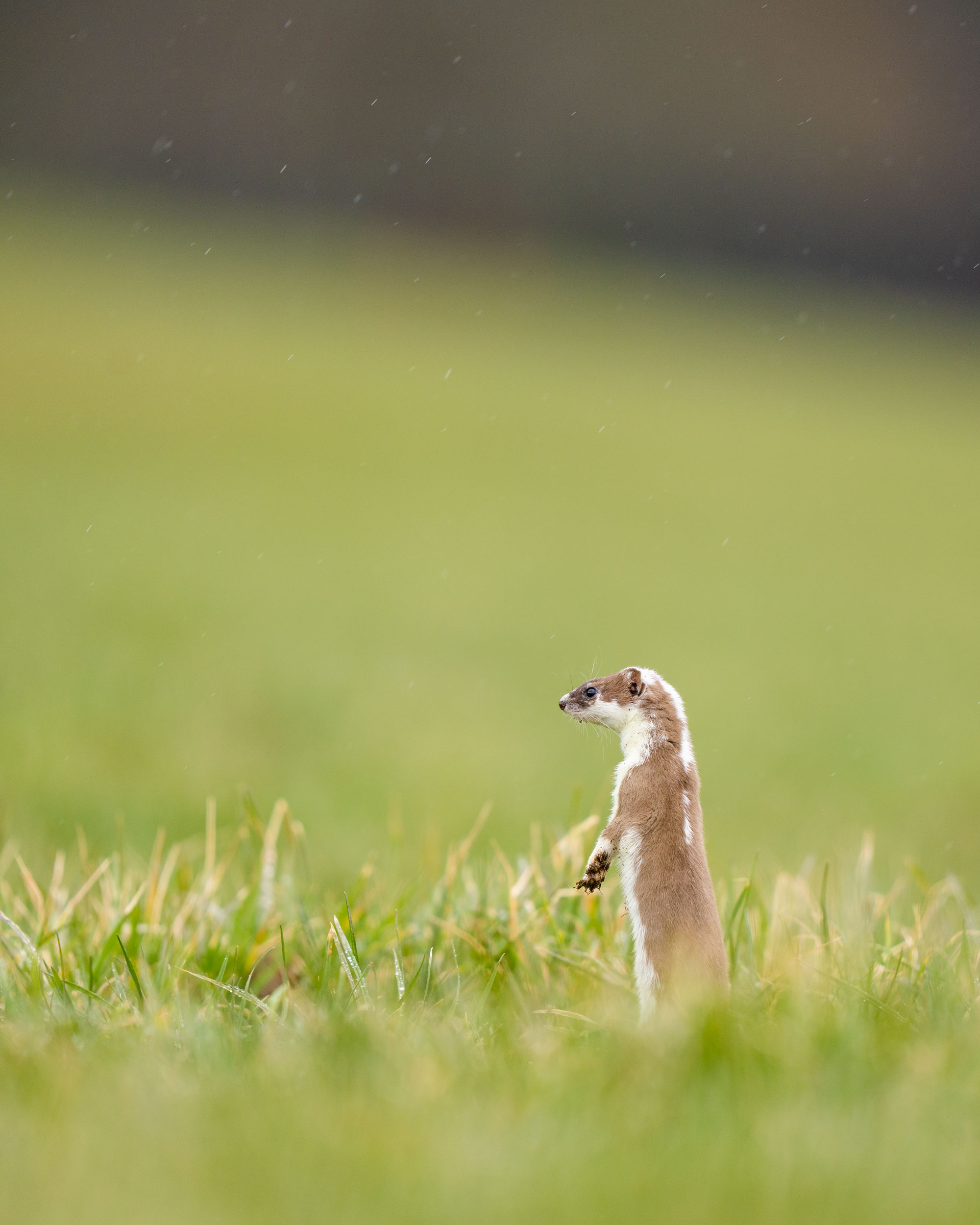
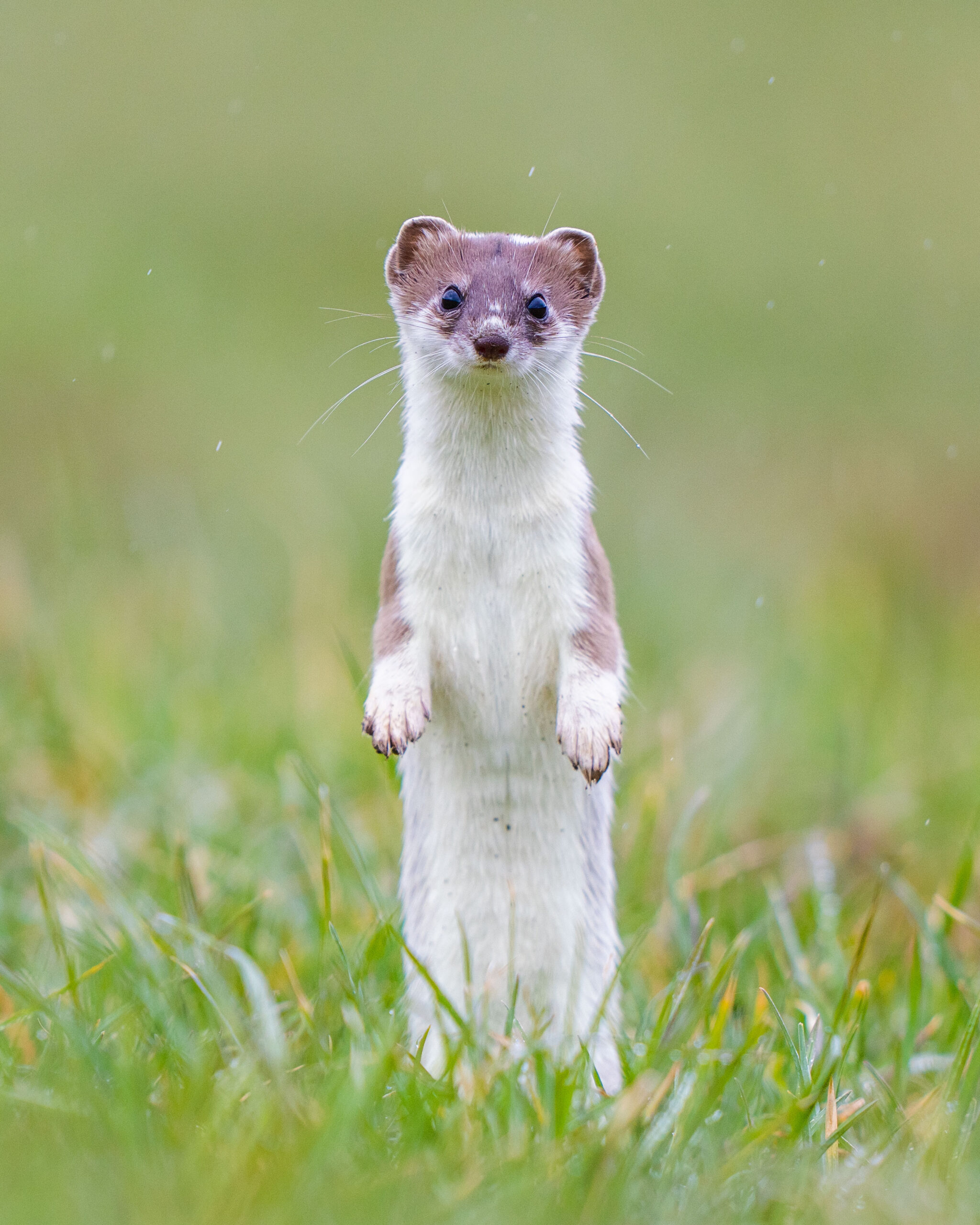
Stoat (Mustela erminea)
I had already tried to photograph the agile stoats several times without success. In addition to the camera's fast autofocus, you also need a bit of luck with timing. Stoats have a rhythm in which they hunt on the surface for around thirty minutes before disappearing underground for at least three hours. So if you spot a stoat, you never know how much of the thirty minutes has already passed. This time, however, luck was on my side. After spotting the stoat, I lay down at the edge of the meadow. Over the next half hour, the stoat came within photo distance several times and I managed to take one or two pictures.


The three days flew by and were a great balance to my everyday work, where I am currently in the middle of preparing for the final exams of my apprenticeship. My next plans are to spend a few days in Graubünden during the spring holidays - a short blog on this should follow at the end of April. Until then, it's best to subscribe to the newsletter to stay up to date on current projects;)